

Do lithium batteries leak? How to prevent something?
In the world of portable electronic devices, lithium batteries are enjoying increasing popularity due to their high energy density and long lifespan. However, a common concern among users is: Do lithium batteries leak? The truth is: Yes, they can.
This article discusses the possibility of lithium battery leakage and provides important information on how to prevent such incidents.
Can lithium batteries leak?
With lithium-ion batteries, the probability of spillage is very low, but as with any battery, there is a small risk. It is important to minimize this risk by taking precautions.
It is important to ensure that the voltage supplied by the battery is suitable for your device, or that your device can handle the voltage provided.
One advantage of lithium batteries is their ability to maintain performance over extended periods. Even if the batteries in your devices remain plugged in for a long time, they will function without any negative effects. This is not the case with alkaline batteries, which release gas under high pressure and humidity.
As long as you take appropriate measures to prevent leakage, the use of lithium batteries is safe.
The combination of portability and reliability has led to the rapid adoption of lithium batteries. Under normal conditions, they are leak-proof. It is recommended to store them with a charge level between 50% and 50%. and 70% and to store in a dry and cool place.
In what situations do lithium batteries leak?
Lithium-ion batteries have a minimal risk of leakage compared to other battery types. However, in rare cases, lithium batteries can leak if they are physically damaged or exposed to extreme temperatures. If the battery casing is punctured, the chemicals inside the battery can leak out and potentially cause damage. Some details are provided below.
- Overloading
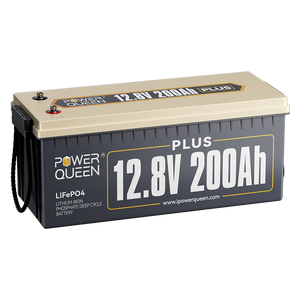
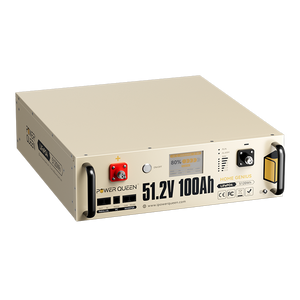
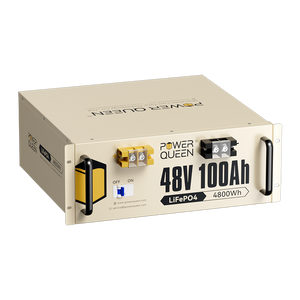
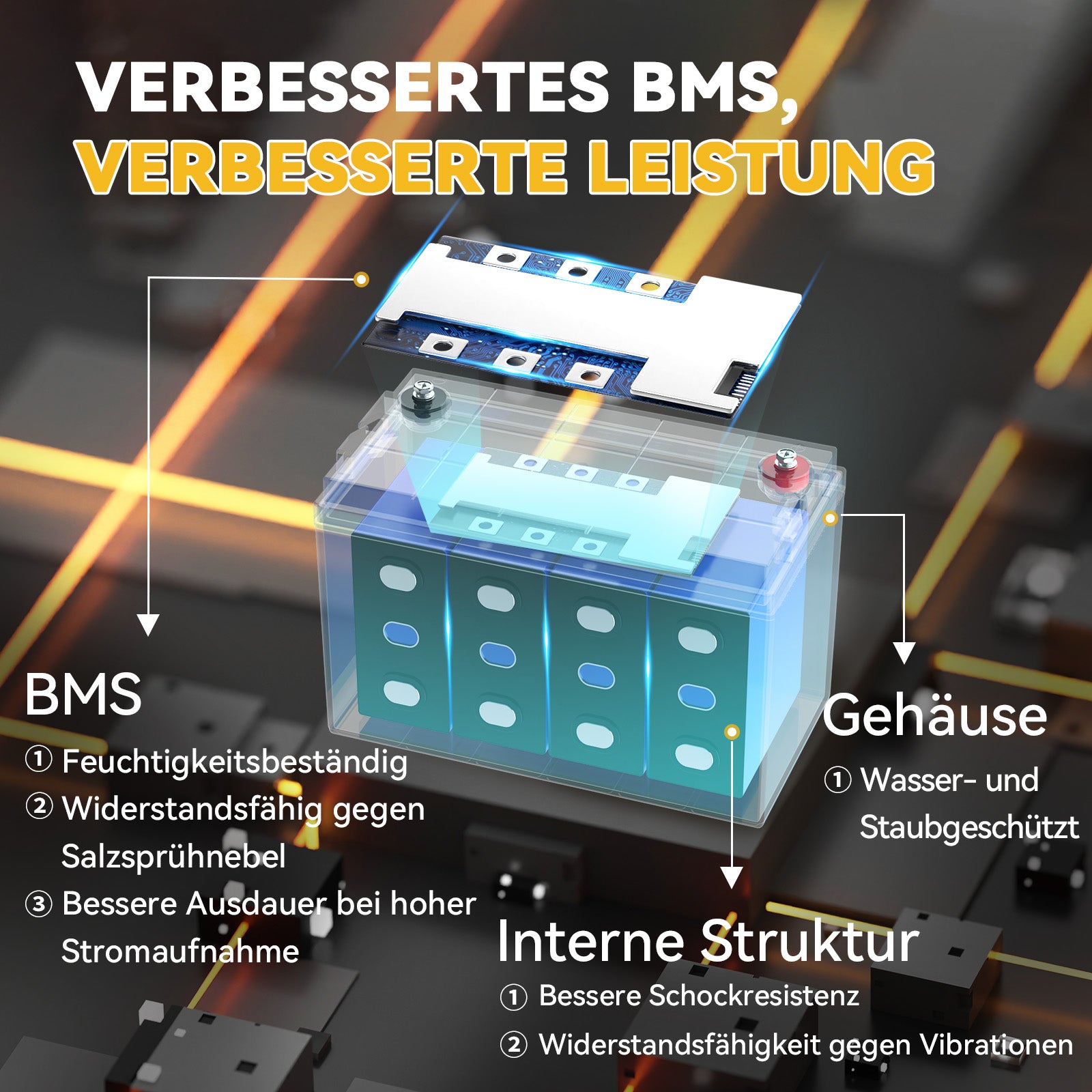
Lithium batteries can leak if overcharged, as the electrolyte inside decomposes and releases gases. This can cause the battery to expand and, in extreme cases, burst. To prevent this, modern lithium batteries, such as... Power Queen LiFePO4 lithium batteries, however with overload protection circuits BMS (Battery Management System) equipped. These circuits help to regulate the charging process and minimize the risk of overcharging and resulting leakage.
- Damage
Lithium-ion batteries can also leak if they are physically damaged, for example, if they are dropped or punctured. When a battery is damaged, the electrolyte can leak out and react with other components, causing a leak. To address this issue, reputable lithium battery manufacturers often conduct rigorous drop tests to assess the durability and resistance of their products to damage. By ensuring you purchase batteries from reliable sources like Power Queen, you reduce the likelihood of leakage due to damage.
- Defects in production
Although rare, leaking batteries can be caused by manufacturing defects, particularly flaws in the battery seals. Inadequate seal design can lead to electrolyte leakage and thus to leakage.To mitigate this risk, it is important to purchase new batteries from trusted stores and reputable manufacturers of lithium cell batteries.
- temperature
Lithium batteries can leak if exposed to excessively high temperatures outside their safe operating range. The elevated temperature can damage the electrolyte and cause it to leak from the battery. To prevent this type of leakage, it is important to... Store lithium batteries in a cool and dry environment. and follow the manufacturer's instructions. By keeping the batteries within the recommended temperature range, you can help prevent leakage due to temperature-related damage.
LiFePO4 temperature Lithium battery.
Charging temperature:
0°C to 50°C/32°C to 122°C
Discharge temperature:
-20℃ to 60℃/-4℉ to 140℉
Storage temperature:
-10℃ to 50℃/14℉ to 122℉
Immediate treatment when a lithium battery leaks
Check the battery casing for visible damage such as dents or punctures that could lead to leaks. Also check for improper battery installation or welding slag inside the battery box.
Remove the cover plate and check the safety valve for signs of acid leaks. Ensure the valve is open and observe whether electrolyte is flowing into the battery.
If the previous steps appear normal, test the seal by pressurizing it and immersing it in water. Look for air bubbles, as these indicate a faulty seal. If no bubbles are present, the seal is likely intact.
During charging, check for electrolyte. If any is detected, carefully remove it.
Once the source of the leak has been identified, carefully clean the affected area with a knife. Then apply a strong, battery-safe adhesive to seal the leak.
Keep in mind that battery quality is directly related to leakage incidents. When purchasing batteries, prioritize authentic, high-quality options from trusted suppliers.
How to prevent a lithium battery from leaking
Here are a few additional tips to prevent lithium batteries from leaking:
-
Do not expose batteries to extreme temperatures.
Extreme temperatures can cause lithium batteries to leak or degrade. Avoid storing or using batteries in excessively hot or cold environments, as this can damage the electrolyte inside the battery.
-
Avoid using damaged batteries
Using damaged batteries increases the risk of leakage. If you notice swelling, leakage, or any unusual behavior from your lithium battery, stop using it immediately and dispose of it safely.
-
Use reputable brands and sources.
Choose high-quality lithium batteries from reputable manufacturers and trusted sources. Cheap or counterfeit batteries may have lower quality standards and are more prone to leakage or failure.
-
Use battery cases or holders
Using battery covers or holders can provide additional protection and prevent physical damage to the batteries. This protective accessory can minimize the risk of leakage due to accidental drops or impacts.
-
Dispose of old or damaged batteries properly.
When it's time to replace your lithium batteries, make sure you dispose of them properly. Many retailers and recycling centers accept used batteries, ensuring environmentally sound disposal.
By following these additional tips, you can further reduce the risk of lithium battery leakage and ensure their safe and optimal use.
How can you check if a lithium battery is leaking?
To determine if a lithium battery is leaking, you can use the following methods:
- Visual inspection:
Carefully inspect the battery for any visible signs of leaks. Look for discolored or swollen areas, corrosion, or a sticky substance around the battery, as these could indicate a leak.
- Odor detection:
A leaking lithium battery can emit a distinct chemical odor. If you notice strange or strong smells coming from the battery, this could indicate a leak.
- Performance issues:
If the battery is not delivering the expected performance or the battery-powered device is malfunctioning, there may be a leakage problem.
If you notice any of these signs, it is important to handle the battery with care. Wear protective gloves and dispose of it properly according to local regulations for hazardous waste.
What should you do if the lithium battery is accidentally damaged?
If you accidentally damage a lithium-ion battery, it's important to take immediate action and handle the situation carefully. Here are the steps you should follow:
- Identify the battery
Determine what type of lithium-ion battery it is and what chemicals it contains. This information will help you assess the potential risks and determine the correct course of action.
- Evacuate if necessary
If you have a highly flammable soft pack or a prismatic lithium-ion battery If a puncture has occurred, evacuate the area immediately and contact the fire department for assistance. Safety should be the top priority in such situations.
- Beware of fire
Wait at least 24 hours to determine if a fire develops after puncturing the battery. If there are no signs of fire, or if a small fire has been brought under control, it is safe to disconnect the battery from the electrical system.
- Disconnect the battery
If you determine that it is safe to do so, quickly disconnect the damaged lithium-ion battery from the electrical system. This will help prevent further electronic or thermal damage.
- Store the battery safely.
Place the punctured cylindrical battery in a safe location, away from flammable materials.Make sure it is stored in a place where any potential fire can be easily contained.
- Are you seeking professional help?
If you are unsure about the correct steps, we recommend contacting your local fire department or ambulance service for advice and assistance.
- Please observe the disposal regulations.
Punctured or damaged lithium-ion batteries should be disposed of in accordance with all applicable municipal, state, and federal regulations. This ensures proper handling and prevents potential environmental damage.
What is the least likely thing for a lithium battery to leak?
Among leading lithium-ion battery chemistries, lithium iron phosphate (LiFePO4 or LFP) technologies have demonstrated increased intrinsic resistance to leakage problems compared to alternatives such as lithium cobalt oxide or lithium nickel manganese cobalt oxide. A stable phosphate cathode and an inert electrolyte system contribute to reduced chemical reactivity, which could otherwise lead to unwanted releases.
Although generally much safer, no battery technology can be completely fault-free or immune to all types of failure. However, LFP batteries are far less susceptible to thermal runaway chains due to the delayed oxidation properties of their chemistry. This reduced risk of uncontrolled overheating mitigates a major cause of chemical breaks and leaks in less stable lithium-ion cells.
Additional advantages such as extended operating temperature ranges and longer lifespan further reduce the likelihood of leaks. By minimizing stress on the containment mechanisms, LFP batteries can better protect enclosed electrolytes from environmental influences across broader usage profiles than many competitors.
Of course, careful handling remains essential. However, the inherent properties of LFP technologies provide an excellent basis for improved protection against unwanted emissions throughout the battery's lifespan. For applications requiring the highest level of safety, their phosphate compositions offer a compelling option.
Is leakage from a LiFePO4 lithium battery toxic?
No, LiFePO4 (lithium iron phosphate) lithium batteries do not contain any toxic substances that would leak if the battery were damaged. Unlike other lithium battery chemistries, LiFePO4 batteries are considered significantly safer and more stable. They have a lower risk of leakage or thermal runaway. LiFePO4 batteries are made of non-toxic materials and are therefore environmentally friendly and safe to use.
Power Queen: Your reliable and trustworthy friend
Power QueenA leading player in the lithium industry, has gained worldwide recognition for its exceptional lithium iron phosphate (LiFePO4) battery systems. These state-of-the-art batteries are not only cost-effective but also boast an impressive capacity of over 4,000 deep discharges per unit. With a typical lifespan of over 10 years, these LiFePO4 batteries offer Batteries offer long-lasting performance that exceeds industry standards.

Learn more More reviews about Power Queen.
Conclusion
Leakage is a problem that can potentially affect any battery. However, lithium iron phosphate (LiFePO4) batteries have inherent design advantages that significantly reduce this risk.By following responsible usage practices and adhering to the guidelines of reputable manufacturers, users can confidently rely on LiFePO4 power supply solutions in terms of their safety and reliability.
Despite the resilience of LiFePO4 batteries, it is important to note that proper care and handling are still necessary. Although this chemistry minimizes the likelihood of leaks, it is always advisable to exercise caution and adhere to best practices to ensure maximum operating time and safety.