



Best tips for expanding your existing battery bank: Unlock more power
As a motorhome owner or enthusiast off-grid, you rely on your battery bank to power all your devices and equipment while traveling. However, as your energy needs increase and you add more devices, you may need to expand your battery bank to meet your requirements. Fortunately, there are several ideas and methods for increasing the capacity of an existing battery bank.
Table of contents
Part 1. Estimating energy requirements
Part 2. Adding more batteries
Part 3. Conversion to higher capacity batteries
Part 4. Installation of a battery disconnect switch
Part 5. Using solar panels
Part 6. Consider a generator
Part 7. Conclusion
Part 1. Estimating energy requirements
Before expanding your battery bank, you should first estimate your current energy needs. This means determining how much electricity you require to operate all your devices and systems, such as lighting, cooling, air conditioning, and entertainment systems. Once you have determined your energy needs, you can better calculate how much energy you need to add to your battery bank.
Part 2. Adding more batteries
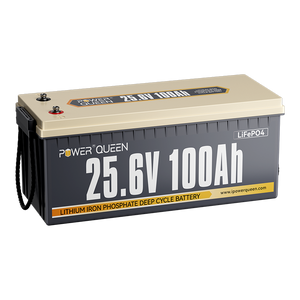
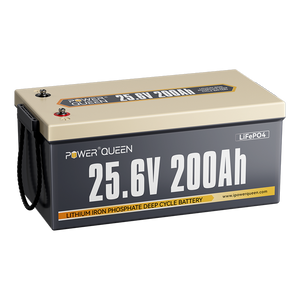
Adding more batteries is one of the easiest ways to increase the capacity of your battery bank. If you have the space, try adding one or more batteries to your existing battery bank. You can increase the capacity of your battery bank by connecting multiple batteries in parallel. In a parallel connection, the positive and negative terminals of each battery are connected together, increasing the current (measured in amp-hours) while keeping the voltage constant. Learn more about series and parallel connection of batteries In our latest blog post, we explain how you can increase your energy capacity while maintaining overall power and energy yield. This increases your battery's total capacity, allowing you to work with more power.

Condition 1: Expansion of a lead-acid battery bank (deep cycle)
Upgrading a lead-acid battery bank, whether flooded or sealed/AGM, should be done within six months of starting regular use. This is because flooded lead-acid batteries degrade faster than other deep-cycle batteries, and the window of opportunity to upgrade your battery bank before it reaches its full capacity is narrow.
If you need additional storage capacity and your lead-acid batteries have been in use for more than six months, replacing them with lithium solar batteries is an excellent option. Lithium batteries have twice the capacity (or more) of lead-acid batteries, allowing you to install a new, much larger battery bank in the same shelf or enclosure as the old one.
Condition 2: Expansion of a low-cycle lithium iron phosphate battery bank
Upgrading a lithium iron phosphate (LiFePO4) battery bank is more versatile than upgrading a lead-acid battery bank. Lithium batteries last longer and degrade much more slowly than lead-acid batteries, so the "almost like new" phase lasts longer. However, the duration of this phase varies from manufacturer to manufacturer, and some manufacturers provide recommendations if you contact them directly.
Another advantage of lithium iron phosphate (LiFePO4) batteries is that each battery has a Battery Management System (BMS) It features a system that manages the charging process and the balance of the string, which simplifies the synchronization of all batteries in a string or battery bank. However, there are some recommendations and guidelines you should follow to ensure you expand your battery bank safely and successfully.

1. Act quickly and buy from the same manufacturer.
If you want to expand your existing battery bank, you need to act quickly. New and used batteries should be of a similar age and condition. Therefore, you should buy replacement batteries as soon as possible after purchasing the original ones. It's important that you buy replacement batteries that are as similar as possible to your current batteries. Power Queen recommends your battery bank within three months After purchasing the original batteries, top them up with new ones. This ensures that your new batteries have the same lifespan as your old ones and work perfectly with your existing system.
2. Do not mix or combine batteries
It is very important that batteries from different manufacturers or batteries with different model numbers, amp-hour capacities, BMS, or voltages are not mixed or combined in the same battery bank. This can lead to imbalances and negatively affect the overall performance of the battery bank. Different batteries discharge at different rates, which can lead to premature battery failure and damage to your devices. Ensure that all new batteries in your system are of the same generation and have the same specifications as your existing batteries.
3. Check your charging source.
Before integrating additional batteries into your system, ensure that your charging source (solar panel, wind turbine, etc.) is capable of meeting the increased demand. Adding more batteries to your system requires more power to fully charge them. You may need to install more solar panels, wind turbines, or other renewable energy sources to ensure your battery bank receives enough charge to maintain the new capacity.
Part 3. Conversion to higher capacity batteries
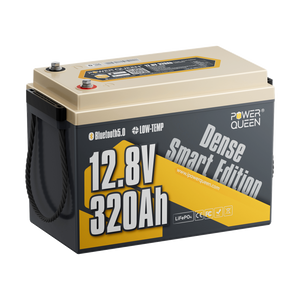
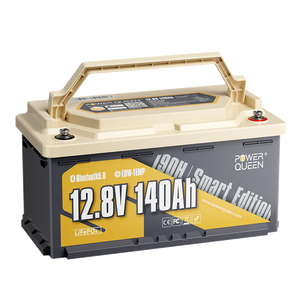
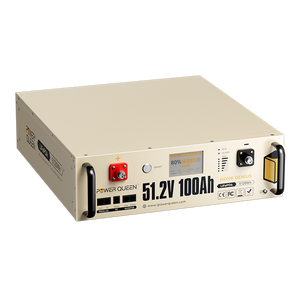
If you want to increase your battery capacity without needing more space, upgrading to higher-capacity batteries could be the solution. Lithium-ion and LiFePO4 batteries are popular because they can store more energy in a smaller space.
Lithium-ion batteries are lighter and smaller than lead-acid batteries, making them ideal for use in laptops, smartphones, e-bikes, hybrid and plug-in electric vehicles, portable power generators, and other space-constrained applications. They also have a longer lifespan and can withstand more charging cycles than lead-acid batteries.
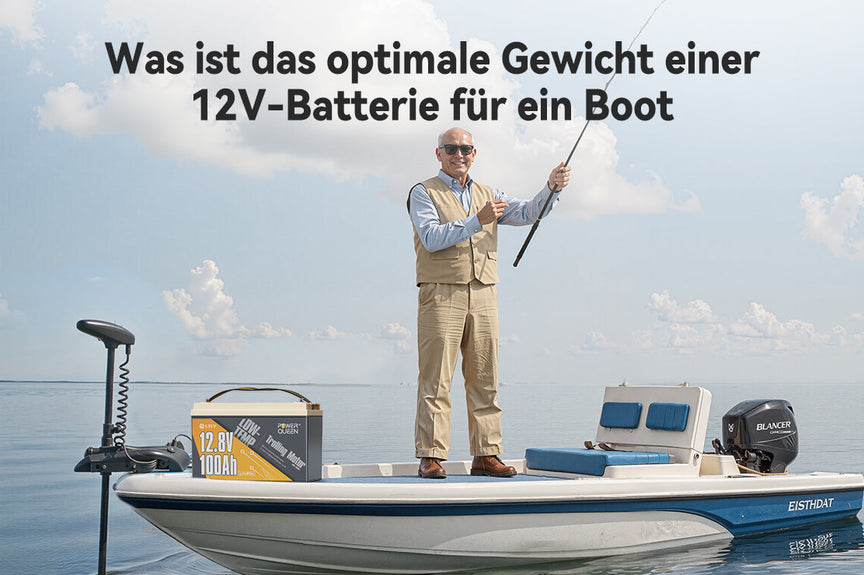
Due to their superior safety features and long lifespan, LiFePO4 batteries are also a popular choice for RVs, boats, and off-grid applications. They last up to ten times longer than conventional batteries. Lead-acid batteries and can be discharged by up to 20% without any significant loss of capacity.

If you are upgrading to batteries with a larger capacity, make sure they match the voltage of your current battery bank.Consult a professional to determine which batteries are best suited for your system.
Part 4. Installation of a battery disconnect switch
A battery disconnect switch is an electronic device that allows you to charge multiple batteries simultaneously without overcharging or damaging them. Installing a battery disconnect switch lets you connect more batteries to your existing battery bank and charge them all at the same time.
A battery disconnect switch separates your batteries into two circuits, one for charging and one for use. This prevents the batteries from being accidentally overcharged or discharged.
When selecting a battery disconnect switch, ensure it is compatible with the voltage of your current battery bank. This indicates how much current the disconnect switch can safely handle.
Part 5. Using solar panels
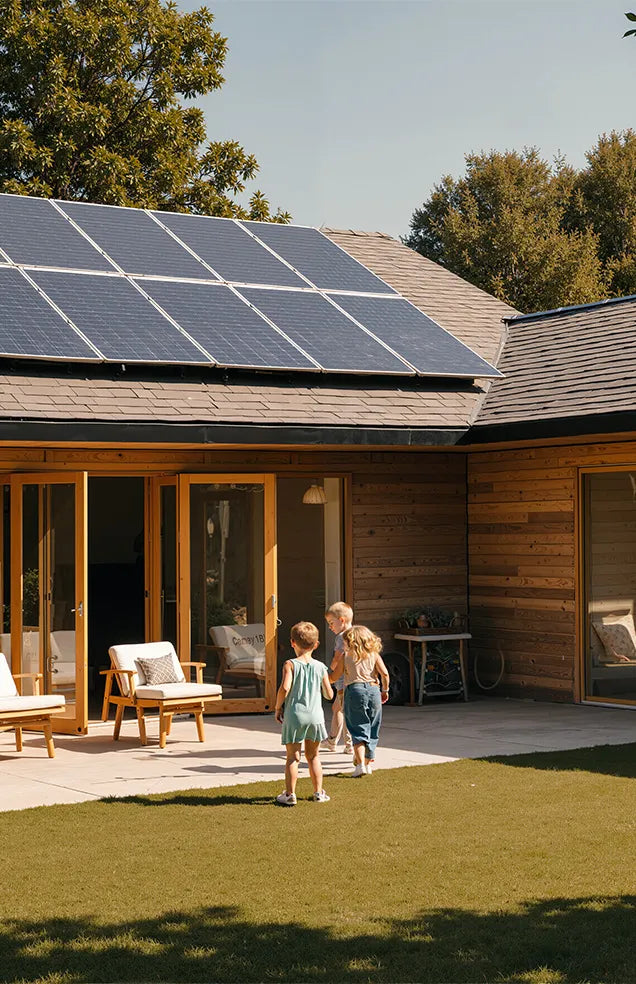
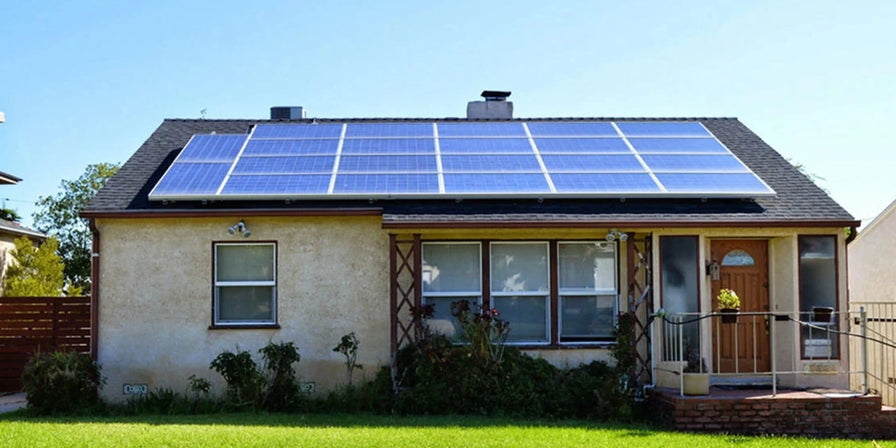
Solar panels can be a fantastic addition to your existing battery bank. By installing solar panels on the roof of your motorhome, you can generate additional power to charge your batteries. This allows you to make the most of your battery and reduces your dependence on external power sources.

When installing solar panels, ensure they are compatible with your existing battery bank. Pay attention to the power output and voltage of the solar panels, as well as the amount of energy they can generate. You may need to install more solar panels to meet your energy needs.
Read on: Can solar batteries be charged without a charge controller?
Part 6. Consider a generator
If you need more power, a generator could be the solution. If your battery is low, a generator can serve as an emergency power supply. Many generator models are designed to work with your existing battery bank, allowing you to charge and operate multiple devices simultaneously.
When choosing a generator, pay attention to its power output and runtime on a single tank of fuel. Also consider the noise level, size, and weight of the generator.
Maintenance tips
Regular maintenance is essential to ensure your battery bank always functions optimally. This includes regularly checking the water level in lead-acid batteries, cleaning the terminals, and balancing the charge level.
It is also important to regularly check the charge level of your battery bank. If possible, avoid discharging your batteries below 50% and always recharge them to full capacity before using them again.
Part 7. Conclusion
Investing in a larger battery bank gives you more freedom and flexibility when traveling or in off-grid environments. You can use all your devices without worrying about running out of power. Whether you're a full-time RV owner or an off-grid enthusiast, use these suggestions and techniques to upgrade your battery bank today.