




What is the optimal weight of a 12V battery for a boat?
When choosing a battery for your boat, weight plays a crucial role in performance, handling, and convenience. This article discusses the weight of 12V lithium batteries for boats and compares them to car and RV batteries. You'll also learn why lithium batteries are an excellent choice for marine applications.
Table of contents
Part 1. Typical weight of a 12V lithium marine battery
Part 2. Factors influencing the weight of a 12V lithium battery
Part 3. How does the weight of a lithium battery affect marine applications?
Part 4. Weight comparison between lithium and lead-acid batteries
Part 5. Weight comparison of lithium batteries with car and motorhome batteries
Part 6. Conclusion
Part 1. Typical weight of a 12V lithium marine battery
A 12V lithium marine battery is significantly lighter than a lead-acid battery. Generally, these batteries weigh between 20 and 35 pounds, depending on their capacity.
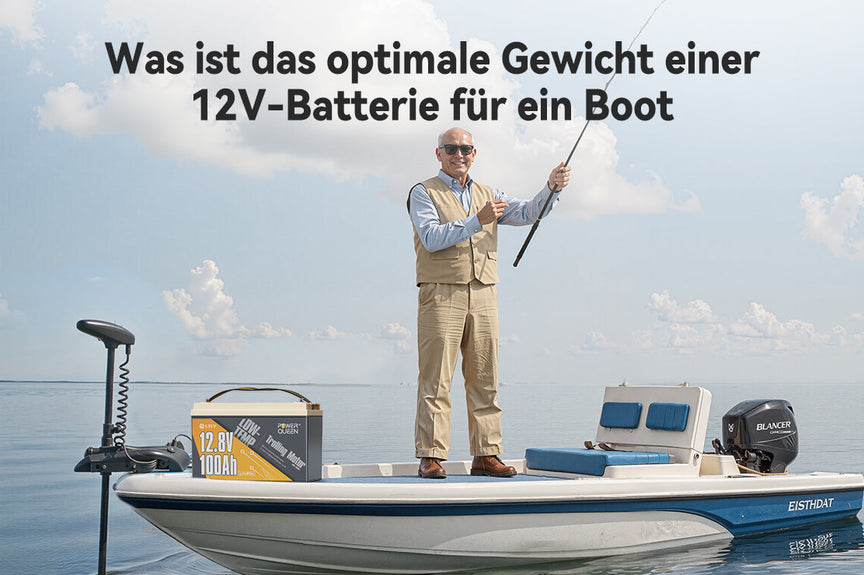
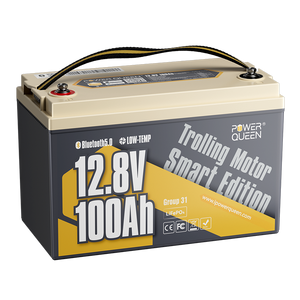
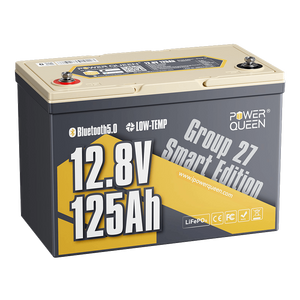
For example, the Power Queen weighs 12V 100Ah low-temp deep cycle lithium battery, which is particularly recommended for use in electric motors, weighs approximately 22 pounds. This light weight makes it easier to handle and install, especially if you are upgrading from a heavier traditional lead-acid battery.

Part 2. Factors influencing the weight of a 12V lithium battery
Lithium-ion batteries are significantly lighter than traditional lead-acid batteries. Lithium weighs only 0.53 ounces per cubic inch, while lead weighs more than 0.4 pounds per cubic inch. Thanks to this density difference, lithium batteries can deliver the same or even higher performance at a significantly lower weight.
For anyone looking for a high-quality and reliable solution, we recommend the Power Queen Battery, offering outstanding performance and low weight to meet your needs at sea.
Read on: [Complete guide] for choosing a lithium battery for trolling motors - Why and How.
2.1 Capacity
Generally, batteries with higher capacity (measured in amp-hours or Ah) weigh more. However, with lithium-ion technology, this relationship is not always linear. A 12V lithium battery with a higher capacity may weigh more than a smaller battery, but is often still lighter than a comparable lead-acid battery of similar size and power. For example, a 12V lithium battery for a trolling motor with a capacity of 100 Ah will provide considerable power, yet be lighter than a comparable lead-acid battery.
2.2 Cell size and volume
Larger cells store more energy and therefore generally weigh more. This is especially true for lithium batteries, where larger cells are used for higher capacities, such as in high-power marine applications like trolling motors. These larger cells store more energy, which is important for longer voyages or powering multiple devices on board.
2.3 Housing material
Many 12V lithium marine batteries use lightweight casing materials such as plastic or aluminum to keep the overall weight down. Traditional lead-acid batteries, on the other hand, often use heavier casings made of steel or lead, which contribute to their mass.The choice of casing material for lithium batteries contributes to improving overall efficiency and facilitates handling and installation, even in confined spaces.
2.4 Additional Components
Although necessary for battery safety and longevity, additional components such as terminals, protective circuits, and insulating materials may add a small amount of weight. However, these components contribute to improved durability, safety, and performance, especially in harsh marine environments.
2.5 Battery Chemistry
Lithium batteries are available in various chemical compositions. LiFePO4 (lithium iron phosphate) is frequently used in marine applications due to its higher density and stability compared to other lithium chemicals such as NMC (nickel-manganese-cobalt) or NCA (nickel-cobalt-aluminum). The higher density of LiFePO4 allows for a more compact and efficient design, resulting in lower weight for the same energy capacity.
Part 3. How does the weight of a lithium battery affect marine applications?
3.1 Improved fuel efficiency
Reducing the weight of the marine battery can improve fuel efficiency. Lighter batteries put less strain on the engine, thus saving fuel and improving the overall performance of the boat.
3.2 Easier installation and handling
A lighter battery makes installation, removal, and handling easier. This is especially important for smaller boats or when the battery needs to be frequently replaced or serviced.
3.3 Longer lifespan
Although not directly related to weight, lithium batteries have a much longer lifespan (up to five times longer than lead-acid batteries), meaning they need to be replaced less often. This can lead to cost savings and less hassle in the long run.
Part 4. Weight comparison between lithium and lead-acid batteries
4.1 Lithium batteries
12V lithium batteries weigh between 20 and 35 pounds and offer a significant weight saving compared to lead-acid batteries (30-40% lighter). This reduced weight improves the boat's performance and fuel economy, freeing up space for other equipment.These batteries are not only lighter, but also have a longer lifespan and a higher energy density than lead-acid batteries.

4.2 Lead-acid batteries
Lead-acid batteries, which typically weigh between 30 and 60 pounds for 12V models, are significantly heavier due to their dense lead plates and the sulfuric acid they contain. Although lead-acid batteries are cheaper to buy, their added weight can negatively impact boat performance, fuel economy, and maneuverability, especially on smaller boats.
Part 5. Weight comparison of lithium batteries with car and motorhome batteries
5.1 12V Car Batteries
A typical 12V car battery weighs between 30 and 50 pounds, depending on the model and brand. Although these batteries are designed for high starting power, their weight can be a problem in applications where space and weight are critical.
5.2 12V Motorhome Batteries
Similar to car batteries, 12V RV batteries typically weigh between 40 and 60 pounds. Higher capacity models can weigh even more.Although motorhome batteries are designed to provide a constant power supply over extended periods, their greater weight can make them unwieldy for mobile applications where efficiency and space are critical.
5.3 12V Marine Lithium Batteries
Lithium batteries used in marine applications weigh between 25 and 45 pounds, making them significantly lighter than car or RV batteries. Despite their lighter weight, they offer high energy density and a longer lifespan, making them an ideal choice for boaters who want to save weight while ensuring a reliable power supply.
Part 6 Conclusion
Lithium-ion batteries are the lightest and most efficient option when choosing a 12-volt power supply. Marine batteries typically weigh between 25 and 45 pounds, making them significantly lighter than lead-acid batteries of similar size and power. The lighter weight of lithium batteries results in improved fuel efficiency, easier handling, and a longer lifespan, making them an excellent choice for the demands of modern boats.