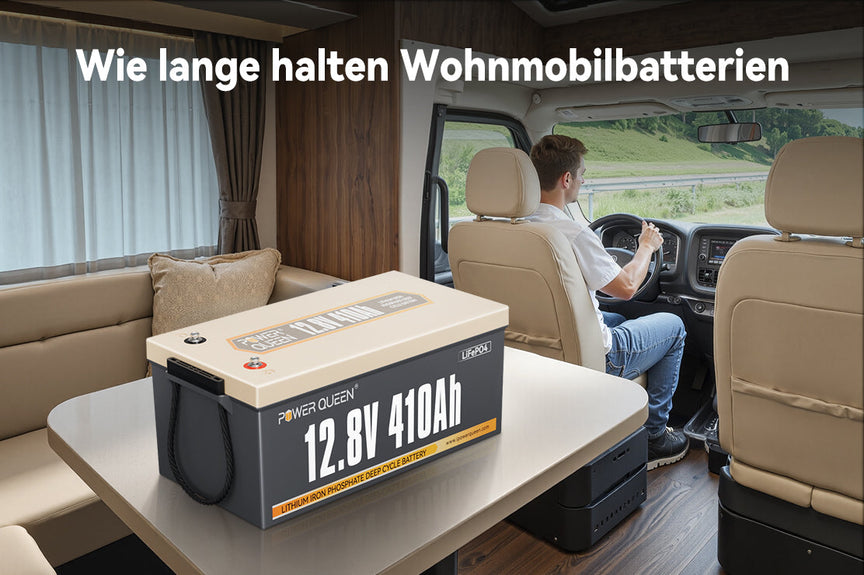


How long do RV batteries last?
The lifespan of your motorhome battery depends on several factors, including the battery type, how often you use your motorhome, and maintenance. Your motorhome battery is a vital resource for powering lights, appliances, and electronics when you're off-grid. Knowing how long your motorhome battery will last while camping in nature is essential for a successful and enjoyable trip.
In this guide, we describe the different types of campervan batteries and give you some tips on how to extend the life of your battery so that you can fully enjoy your adventures.
Table of contents
Part 1. How long do motorhome batteries last?
Part 2. Factors influencing the lifespan of Motorhome battery
Part 3. Types of motorhome batteries
Part 4. Tips for extending the lifespan of your motorhome battery
Part 5. Signs that your motorhome battery needs replacing
Part 7. Frequently Asked Questions
Part 1: How long do motorhome batteries last?
The lifespan of a motorhome battery depends on the battery type, usage patterns, and maintenance practices. A standard lead-acid motorhome battery typically lasts around 3-5 years, while AGM batteries, with proper care, last somewhat longer, around 5-7 years. Lithium-ion batteries, such as LiFePO4, have the longest lifespan, lasting up to 10 years or more, making them ideal for frequent travelers and those who want to camp off-grid.

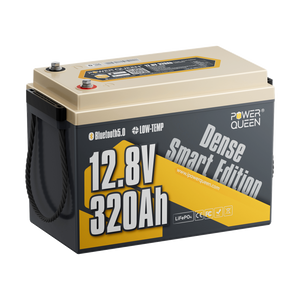
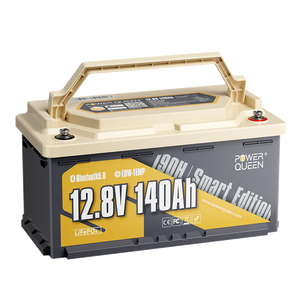
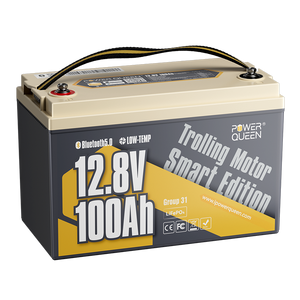
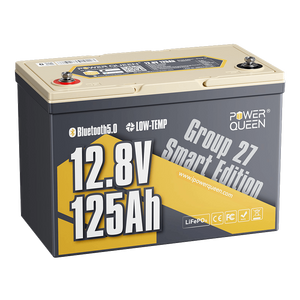
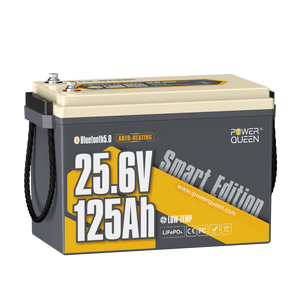
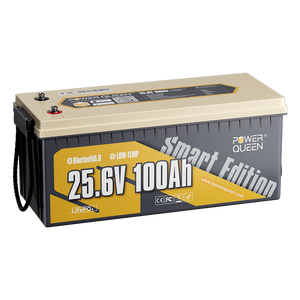
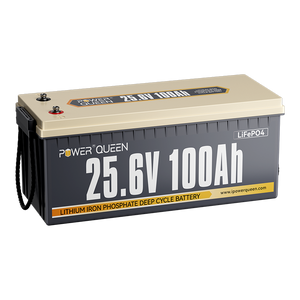
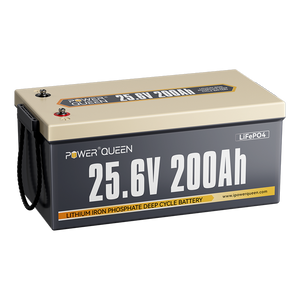
Power Queen offers a wide range of Motorhome batteries For diverse requirements, from standard AGM batteries to modern Li-ion batteries. Our Li-ion batteries for motorhomes are the first choice for anyone seeking a durable and reliable power supply solution.
Part 2 Factors influencing the lifespan of a motorhome battery
2.1 Battery type
The battery type plays an important role in the battery's lifespan. Lithium-ion batteries Lithium-ion batteries are recommended because they last longer and require less maintenance than lead-acid batteries. Due to their durability and longer lifespan, lithium-ion batteries offer better value for money in the long run, especially for tools or devices that require frequent charging or are in operation for extended periods.
2.2 Utility models
How often and how intensively you use your RV battery affects its lifespan. Frequent and intense power consumption can discharge the battery faster, while careful power consumption extends its lifespan. z.B. When camping without a generator or solar power, the battery discharges faster and its lifespan is reduced.
2.3 Charging and discharging cycles
Every battery has a limited number of charge and discharge cycles, and following the correct charging procedures will help you get the most out of it. Avoid deep discharges and overcharges to extend the battery's lifespan and ensure consistent performance over a longer period.
Lithium batteries have built-in safety features with an integrated battery management system that protects against overcharging, over-discharging, overcurrent, short circuits, high and low temperatures.

2.4 Environmental conditions
Extreme temperatures, especially heat, can accelerate the wear and tear of battery components and shorten the battery's lifespan. Storing your motorhome in a cool environment and keeping the battery at moderate temperatures will prevent premature wear and maintain optimal battery performance.
LiFePO4 batteries perform better than lead-acid batteries at extreme temperatures.
Part 3. Types of motorhome batteries
3.1 Lead-acid batteries
Lead-acid batteries are one of the most commonly used battery types in motorhomes. With proper care, they typically last 3-5 years. These batteries are affordable but require regular maintenance, such as checking the electrolyte level and cleaning the terminals, to ensure a long lifespan. Compared to other battery types, they are heavier and take longer to charge, making them a cost-effective but maintenance-intensive choice.
3.2 AGM batteries
They typically last 4-6 years and are sealed, so regular maintenance is not required. Their durability and leak-proof design make them a good choice for RV owners who prefer a low-maintenance and reliable energy source that doesn't require frequent servicing.
3.3 Lithium-ion batteries
Lithium-ion batteries are the best choice for RV owners seeking a long-lasting and efficient power supply. They typically have a lifespan of 8-10 years or more, making them a cost-effective investment over time. These batteries are lightweight, charge faster, and have a higher energy density. Although more expensive to purchase, their unmatched reliability and performance make them ideal for full-time travelers or those who frequently travel without access to mains power.
The Power Queen 12V 100Ah Group 24 Smart Deep Cycle Lithium Battery With its lightweight design, high energy capacity, and Bluetooth monitoring for real-time tracking, it's an excellent choice for RV owners and off-grid enthusiasts. It comes with a 5-year warranty, a lifespan of up to 10 years, and powerful protection features for lasting reliability even in extreme temperatures.
Further reading: Lead-acid battery vs. lithium-ion battery: What is the difference?
Part 4: Tips for extending the lifespan of your motorhome battery
One of the most common causes of a dead motorhome battery is lack of maintenance. Neglecting routine battery maintenance can lead to reduced performance and eventual battery failure. With proper care and maintenance, you can significantly extend the life of your motorhome battery and enjoy a reliable power supply on your adventures.
4.1 Monitoring the charge level
Always keep the battery charge level between 50% and 80% to avoid deep discharge, which shortens the battery's lifespan. Check the charge level regularly and recharge as needed to maintain this range and ensure optimal battery condition.
4.2 Use of solar panels
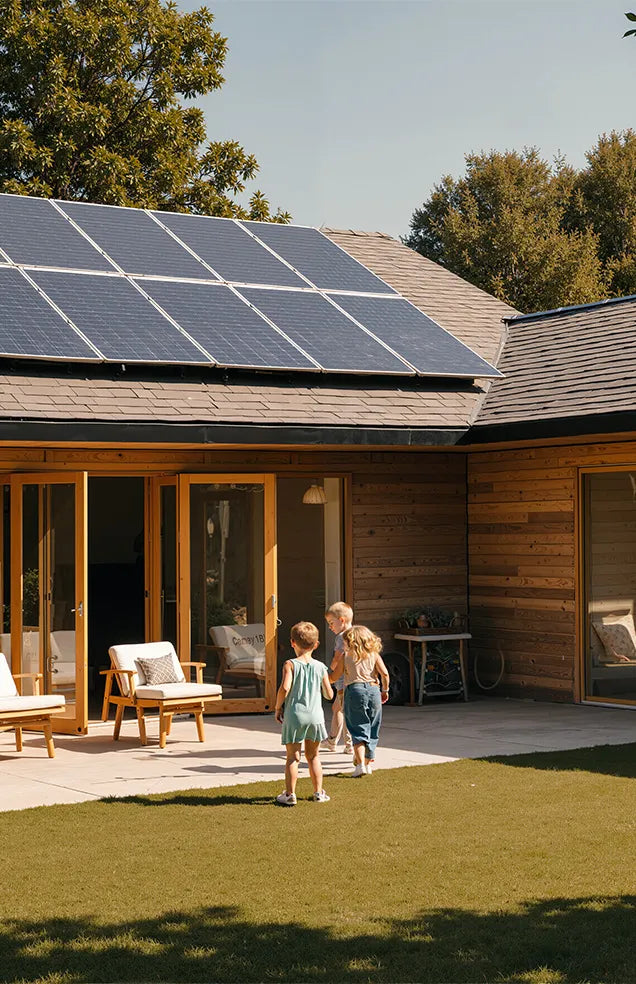
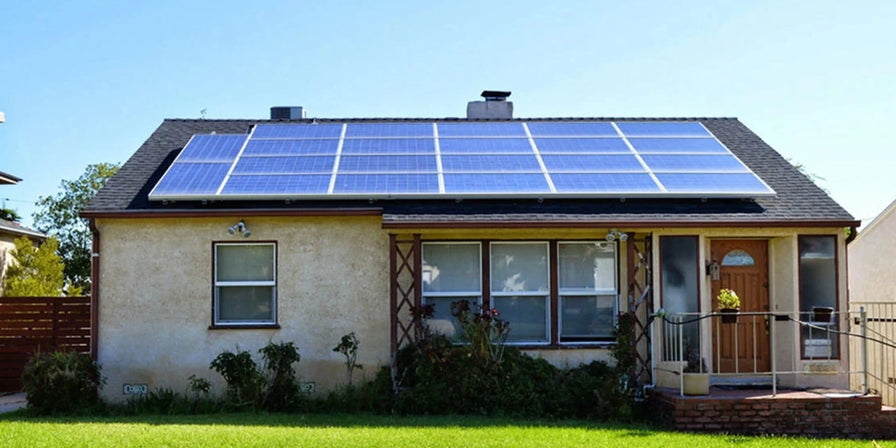
Solar panels are a good way to charge the battery evenly throughout the day.They help prevent deep discharges by supplementing power needs, especially when camping off-grid. A solar system can charge your battery while reducing wear and tear, making it a worthwhile investment for camping enthusiasts.
4.3 Regular Maintenance
To extend the lifespan of your battery, regular maintenance is essential. Check and clean the terminals to prevent corrosion, which can interrupt the flow of electricity. Store your batteries in a cool, dry place to avoid damage from extreme temperatures, which can shorten their lifespan.
Upgrade your RV batteries to LiFePO4 batteries, a popular replacement for traditional lead-acid batteries in the RV industry, if you're tired of adding water to your batteries and dissatisfied with the maintenance of lead-acid batteries. Compared to lead-acid batteries, these batteries offer higher energy density, a longer lifespan, faster charging times, and lighter weight.

LiFePO4 batteries are maintenance-free. This is one of their most important advantages. Unlike lead-acid batteries, LiFePO4 batteries do not require regular electrolyte level checks or water top-ups. Furthermore, they can retain their charge longer when not in use due to their lower self-discharge rate.
Furthermore, lithium iron phosphate batteries are more temperature-resistant, allowing them to be used in many climates. They can be used in both hot and cold environments without any loss of performance.
Since LiFePO4 batteries have different voltage and charging requirements, converting to these batteries may require some modifications to your motorhome's electrical system. To ensure compatibility and correct installation, you should consult a professional or gather detailed information before starting the conversion.
Although lithium iron phosphate batteries are initially more expensive than lead-acid batteries, their longer lifespan and maintenance-free operation can save you a lot of money. They also offer a more reliable and worry-free power supply when traveling in a motorhome.
Part 5. Signs that your motorhome battery needs replacing
No matter how well you maintain your RV battery, it will eventually wear out. Here are some key signs that it's time for a replacement.
5.1 Difficulties in holding the load
If your battery can no longer hold a charge as long as it used to or discharges quickly, it is likely nearing the end of its lifespan. This is one of the clearest signs of declining battery performance and can mean you can no longer rely on the power supply while driving.
Read more: Motorhome battery not charging? Here's the solution!
5.2 Physical wear and tear or damage
Check for visible damage such as corrosion, leaks, or bulging. These problems not only affect the battery's performance but can also pose a safety risk. Physical signs of wear indicate that the battery is no longer in good condition and must be replaced immediately.
5.3 Increased charging frequency
If you find that your battery needs to be recharged more often than before, this is a clear indication that the battery is no longer able to hold a full charge.This is a common sign of aging, especially in older lead-acid or AGM batteries.
Further reading: The Ultimate Guide to Replacing Your Motorhome Battery
Part 6 Conclusion
Whether you own an AGM or a lithium-ion battery, each has its own advantages and maintenance requirements. With proper maintenance, smart charging habits, and upgrades like solar panels, you can extend your battery's lifespan and enjoy uninterrupted power on your adventures.
By choosing the right battery for your needs and following these tips, you can maximize performance and get the most out of your RV, whether you're a weekend camper or a full-time traveler.
Part 7 Frequently Asked Questions
7.1 How can I tell if my motorhome's battery needs to be replaced?
You can determine if your RV battery needs replacing by looking for common signs of malfunction. Dim lights or appliances running slower than usual are often indicators that the battery is no longer holding its charge effectively. Check the voltage with a multimeter. If it consistently falls below the manufacturer's recommended range, the battery may be nearing the end of its lifespan. Physical signs such as corrosion, leakage, or swelling are also clear indicators of damage.
7.2 How can I extend the lifespan of my motorhome battery when boondocking?
Energy-efficient appliances: To reduce electricity consumption, you should choose lighting and appliances that are particularly energy-efficient.
LED lighting: Using LED lights instead of traditional light bulbs can significantly extend battery life while consuming less energy.
Battery monitoring systems: Install monitoring systems to track battery usage and accurately determine the remaining capacity.
Solar energy: To reduce your reliance on external chargers, you should consider purchasing solar panels to charge your motorhome's battery during the day.
Battery maintenance: Keep your motorhome battery clean, check the connections and ensure adequate ventilation on a regular basis.
7.3 How many motorhome batteries do I need?
The number of batteries required depends on the devices to be powered, the expected energy consumption, and the duration of the trip. While this can vary depending on your specific needs, you will typically need around five batteries for your DC system. A smaller system is required to operate your car or to start the engine.
7.4 How long will my motorhome battery last if I use a stove?
If no other energy-intensive tasks are pending, a stove can typically operate for more than 12 hours. However, the duration depends on several variables, including the battery's overall lifespan, its condition, and whether it is a lithium battery, which has a longer lifespan and requires less maintenance.