









Unlocking the benefits of battery management systems (BMS)
This article aims to give you an understanding of battery management systems (BMS) and their ability to improve device performance. It provides essential information for engineers, hobbyists, and anyone who regularly uses battery-powered devices. Let's get started!
Part 1: Definition of BMS
A battery management system (BMS) is a complex electronic device built into rechargeable batteries to monitor and regulate their performance. Its primary function is to ensure the battery operates safely and optimally by preventing overcharging, over-discharging, and overheating. Without a BMS, batteries are susceptible to damage that can affect not only the battery's lifespan but also the device it powers.

The BMS provides real-time data on the battery's state of charge, voltage, temperature, and other parameters. It also enables all adjustments necessary for optimal battery performance. BMS systems are commonly used in electric vehicles, renewable energy systems, wearable electronics, and medical devices, to name just a few.
Part 2: Importance of BMS for battery maintenance
The importance of a battery management system (BMS) is crucial for maintaining the overall health and performance of batteries. Designed to provide real-time data and safety measures, the BMS continuously monitors the batteries. Different battery types have specific requirements regarding voltage, temperature, and current, so the BMS must closely monitor the cells to prevent damage beyond safe operating limits. Lithium batteries, for example, can be harmful if overheated, and the BMS plays a vital role in regulating the temperature of each cell to ensure it remains within safe limits.
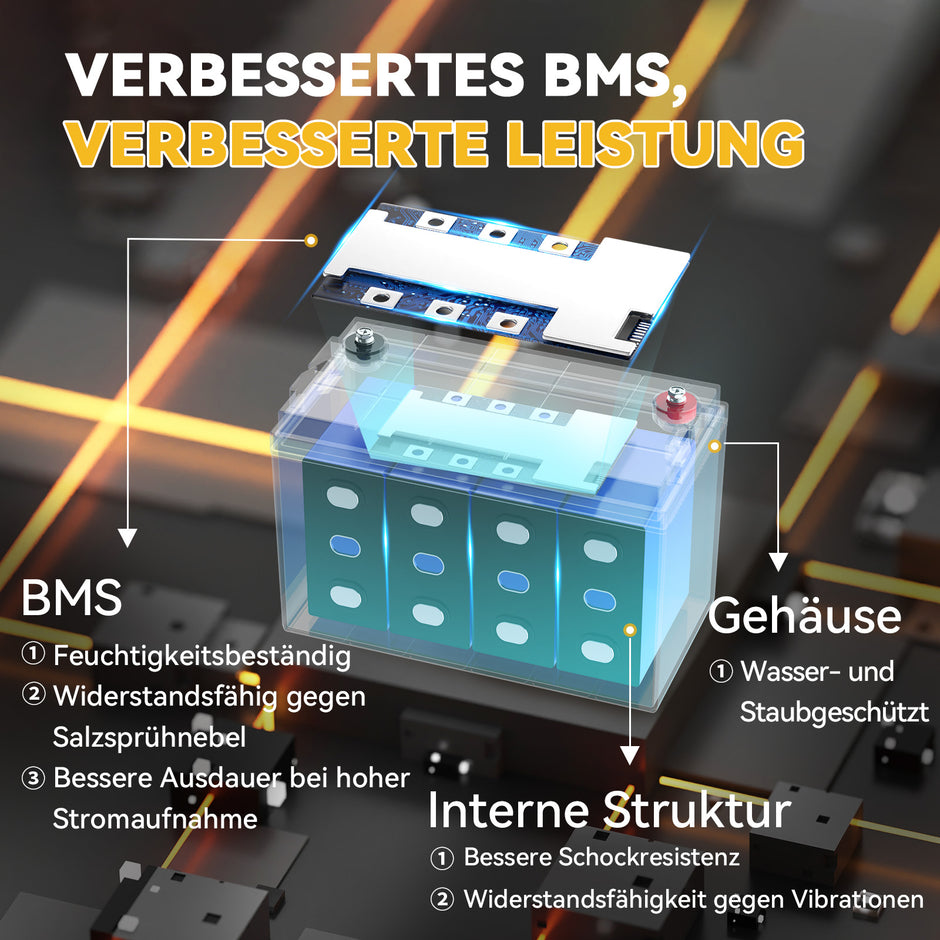
Cell balancing is another aspect of the BMS (Battery Management System), where each cell in a battery pack can discharge or charge at different rates, leading to an imbalance that can affect the lifespan and stability of the entire pack. The BMS monitors and distributes the charge evenly to optimize performance and extend the battery's lifespan.
Part 3: How do battery management systems work?
Battery management systems (BMS) do not follow standardized rules but depend on the size, complexity, and application of the battery, taking into account aspects such as safety, warranty, and lifespan. BMS must meet the certification requirements of various authorities to avoid potential penalties and costs.
The features of the BMS can vary, with two critical aspects being the protection management of the battery packs and the capacity management.
Protecting the electricity:
Battery Management Systems (BMS) monitor the current and cell/module voltage of the battery pack in precise and well-designed battery systems, protecting battery packs from use that exceeds the cell specifications recommended by the manufacturer. For example, lithium iron phosphate (LiFePO4) batteries require specific charge and discharge current limits, and the BMS sets maximum continuous current limits to ensure safety and prevent battery damage.
Protection of the voltage:
Overvoltage protection is another important function of the BMS, which monitors and controls the charging and discharging process to keep the battery within its safe operating range. The BMS uses several methods to prevent overcharging, such as...The charging current is limited, while the undervoltage protection protects the battery from discharge damage by interrupting the discharge when the voltage falls below certain limits.
Temperature protection:
Temperature protection is another important function of the BMS, which prevents excessive heating or cooling by... Battery temperature is monitored and controlled and implements thermal management strategies such as passive or active cooling/heating methods. It also limits the charging speed if the battery temperature reaches an excessively high level to prevent battery damage.
Protection against overcharging and over-discharging:
Protection against overcharging and over-discharging is another important function of the BMS.
A battery management system (BMS) plays a crucial role in protecting batteries by continuously monitoring their voltage and current during charging and discharging. The BMS implements various battery protection techniques, including overcharge and undervoltage protection, state of charge (SOC) estimation, balancing, and temperature monitoring.
To prevent overcharging and potential damage to the battery, the BMS limits the charging voltage or current once the battery reaches its safe maximum voltage. Similarly, the BMS limits or completely terminates the discharge process if the battery voltage falls below the safe minimum value.
Accurate state-of-charge (SOC) estimation ensures timely corrective action to prevent over-discharging or over-charging. Furthermore, the battery management system (BMS) balances the voltage across all cells in multi-cell batteries to prevent overcharging and over-discharging of individual cells, thus extending the battery's lifespan.
Finally, the BMS monitors the battery temperature to prevent thermal runaway, especially during overcharging and over-discharging. Overall, the BMS is an essential battery component that guarantees its safety, durability, and optimal performance.
Protection against short circuits:
The battery management system (BMS) continuously monitors voltage and current levels, as well as other parameters, to protect the batteries from short circuits, which pose a significant risk to both the battery and connected devices. The BMS employs several techniques to prevent short circuits, including cell protection, current limiting, voltage monitoring, temperature monitoring, and fault detection.
In multi-cell batteries, the BMS protects each cell from overheating or overvoltage by disconnecting it from the rest of the battery when necessary. To prevent excessive current flow that could lead to short circuits, the BMS limits charging and discharging currents and shuts down the system in the event of a short circuit using fuses or circuit breakers.
Furthermore, the BMS continuously monitors the battery voltage to detect sudden fluctuations that could indicate a potential short circuit and takes corrective action to prevent further battery damage. By monitoring the battery temperature, the BMS can prevent potential thermal breakdown caused by a short circuit. If the battery temperature exceeds the recommended operating range, the BMS limits the current flow or cuts off the power supply entirely.
The BMS can also detect faults in the wiring, connections, or other components of the battery system that could cause a short circuit. Upon detection, the BMS takes the necessary corrective action, such as shutting down the system, until the problem is resolved.Overall, the BMS plays a crucial role in ensuring the safety and reliability of batteries.
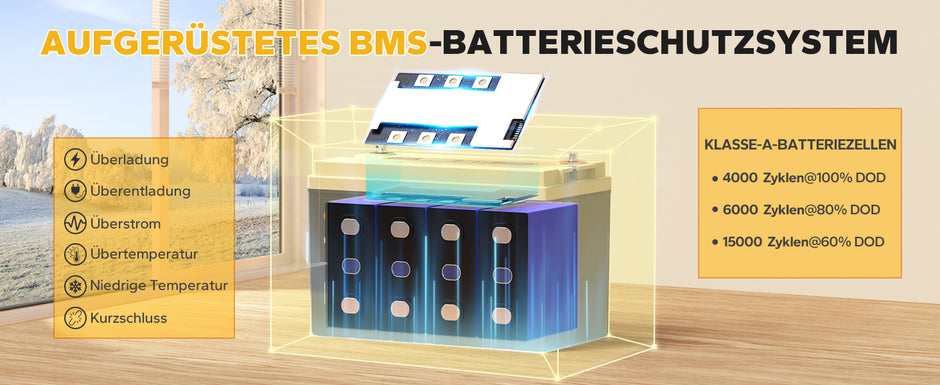
In summary, the BMS plays a crucial role in protecting the overall health of the battery by monitoring voltage, temperature, and current flow in real time. This helps detect problems and take necessary precautions to ensure optimal performance and safety of the battery and connected devices. Choose a Power Queen LiFePO4 lithium battery with an integrated battery management system for the best performance and safety.
Part 4: Choose the Power Queen LiFePO4 lithium battery with integrated battery management system
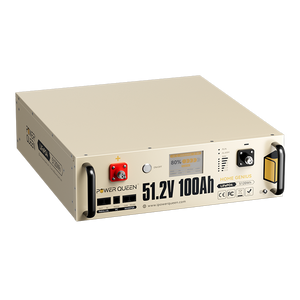
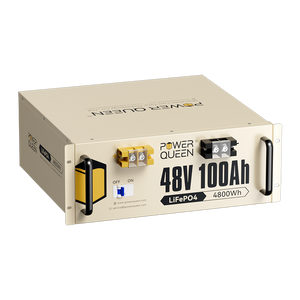
Choose the Power Queen This LiFePO4 lithium battery is equipped with a sophisticated battery management system (BMS) to ensure outstanding performance and reliability. The BMS protects the battery from potential hazards such as overcharging, over-discharging, short circuits, and extreme temperatures, so you can use the battery with complete peace of mind. Choose the Power Queen LiFePO4 lithium battery with its integrated battery management system for guaranteed performance and safety.
Conclusion
Battery management systems (BMS) are critical components in battery-powered devices, providing essential monitoring, regulation, and protection to ensure optimal performance, reliability, and safety. BMS monitors the battery's state of charge, voltage, and temperature, and ensures cell balancing, overcharging and over-discharging protection, and temperature management to keep the battery within safe operating limits.
In summary, you need a battery management system if you want to extend battery life, prevent damage, and optimize performance. Choose a reliable brand like Power Queen for safe battery protection.