


Knowledge of wiring batteries in series and parallel
When it comes to building a solar power system, one of the most important considerations is how you connect your batteries. Two common methods are connecting batteries in series or in parallel. Each method has its advantages and potential problems, so it's important to understand the differences between them before making a decision.
Table of contents
Part 1: All about series circuits
- 1.1 What is a series battery connection?
- 1.2 The functions of series circuits
- 1.3 The potential problems of series connection
Part 2: All about parallel circuits
- 2.1 What is battery parallel connection?
- 2.2 The functions of parallel circuits
- 2.3 The potential problems of parallel connection
Part 3: Comparison between series and parallel connection of LiFePO4 batteries
Part 4 Frequently Asked Questions about Battery Series and Parallel Connections
Part 1: All about series circuits
1.1 What is a series battery connection?
When it comes to increasing the overall voltage output of a battery pack, a series connection of LiFePO4 batteries is often used. This involves connecting several cells in series, with the positive terminal of one cell connected to the negative terminal of the next, until the required voltage is reached. While the total capacity of the battery pack remains the same as that of a single cell, this method provides an increased output voltage. Due to their ability to deliver high voltages, series connection is frequently used in applications such as electric vehicles, solar power systems, and emergency power supplies for buildings.

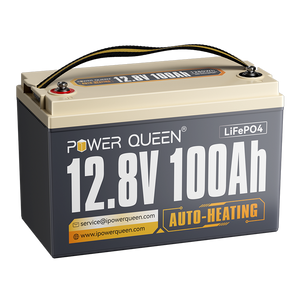
Suppose you switch on four 12.8V 100Ah batteries in series. In this case, you have a combined voltage of 51.2 V, while the battery capacity, measured in ampere-hours (Ah), remains unchanged at 100 Ah.
1.2 The functions of series circuits
- Increased output voltage: By connecting the cells in series, the output voltage is increased to meet the requirements of high-voltage applications.
- Efficient power source: Series circuits can provide an efficient power source for devices requiring high voltage and low current. This is because the voltage increases while the total capacitance remains the same.
- Battery management: When charging or discharging series-connected batteries, the system can be easily managed by controlling the voltages at each cell.
- Security:Series connections are less prone to overheating because each cell distributes the load evenly. This reduces the likelihood of a single cell becoming overloaded or overheating, thus increasing the safety of the battery pack.
- Scalability:The series connection allows for scalability, meaning that additional cells can be added as needed to increase the overall voltage output of the system.
1.3 The potential problems of series circuits
- Reduced total capacity:While the output voltage increases when the cells are connected in series, the total capacity of the battery system remains the same, meaning less energy can be stored.
- Risk of deep discharge:If a cell in a series-connected battery pack is discharged below its safe minimum level, this can lead to permanent damage or even the failure of that cell and possibly other cells in the series.
- Complex administrative requirements:When cells are connected in series, they must be carefully managed to avoid overcharging or undercharging, which can lead to an unbalanced charge and in turn affect the overall health of the battery system.
To mitigate these issues, it's crucial to ensure all cells in the series-connected battery pack have similar capacities and ages. Powerqueen recommends adding new batteries to your battery bank within three months of purchasing your original battery. This ensures your new batteries have a comparable charge cycle life to your current ones and integrate seamlessly into your existing system. Proper charging and monitoring of the pack voltage are also essential to prevent overcharging and ensure efficient battery pack operation.
Part 2: All about parallel circuits
2.1 What is battery parallel connection?
Battery parallel connection refers to connecting multiple batteries positive to positive and negative to negative. In this configuration, the output voltage of the battery bank remains the same as with a single battery, but the overall system capacity is increased. Parallel connection is frequently used in applications requiring high energy storage, such as off-grid solar power systems or electric vehicles where extended operating time is needed.

They close, for example, four 12.8V 100Ah batteries connected in parallel. In this case, you have a combined capacity of 400 Ah, while the voltage remains unchanged at 12.8V.
2.2 The functions of parallel circuits
- Increased capacity: The main function of the parallel circuit is to increase the overall capacity of the battery system while keeping the output voltage constant.
- Efficient energy use: Parallel connection allows devices to draw more current without affecting the overall voltage of the system, thus ensuring more efficient energy use.
- Longer runtime: Parallel connection is frequently used in applications where a longer runtime is required, such as off-grid solar power systems or electric vehicles.
- Improved reliability:By combining multiple batteries in parallel, the system becomes less dependent on a single battery, which improves the system's reliability.
- Simple administration:Since each battery in a parallel circuit receives the same voltage, they can be charged and discharged individually without affecting other batteries in the system.
- Scalability: Parallel connections allow for scalability by adding more batteries as needed to increase the overall capacity of the system.
2.3. The potential problems of parallel circuits
While parallel circuitry offers several advantages, it also presents potential risks and challenges that must be taken into account.
- Increased risk of overloading and overheating:Connecting the batteries in parallel increases the overall capacity of the battery system, making it easier to draw more current than the batteries can handle, leading to overcharging, overheating, and even fire hazards.
- Difficulties in balancing the charge between batteries:When batteries are connected in parallel, fluctuations in their capacity or age can cause them to become unbalanced, leading to reduced performance and lifespan.
- Reduced efficiency:Parallel circuits can lead to reduced efficiency because the internal resistance of each battery affects the overall resistance of the system, which can reduce the amount of energy delivered to the load.
Part 3: Comparison between series and parallel connection of LiFePO4 batteries
In this section, we will discuss the similarities and differences between series and parallel connections of LiFePO4 batteries.

3.1 Similarities:
- Ability to increase the overall performance of the battery:Both series and parallel connections can improve the overall performance of the battery pack. Series connections increase the output voltage, while parallel connections increase the capacity.
- Use in various applications:Both series and parallel circuits are used in a variety of applications such as motorhomes, boats, solar houses, electric vehicles and other off-grid systems.
3.2 Differences:
- Voltage output:Series connection increases the overall voltage output of the battery pack, while parallel connection does not change the output voltage of a single cell or battery.
- Capacity:Parallel connection increases the total capacity of the battery pack, while series connection does not affect the capacity, but only the output voltage.
- Efficiency:Parallel connection is generally more efficient than series connection because each cell or battery is charged and discharged independently, whereas series connection can be affected if one cell or battery fails.
In summary, both series and parallel connections of LiFePO4 batteries offer similar advantages, but differ in terms of output voltage, capacity, and efficiency. The choice of connection type depends on the specific application and the desired performance characteristics.
Part 4 Frequently Asked Questions about Battery Series and Parallel Connections
4.1 How many batteries can you connect in series?
The number of batteries that can be connected in series typically depends on the battery and its manufacturer. For example, some batteries allow... Power QueenUp to four LiFePO4 batteries can be connected in series to create a 48-volt system. To prevent exceeding the recommended limit for series-connected batteries, it is important to consult the battery manufacturer.
4.2 How many batteries can you wire in parallel?
In general, there is no limit to how many batteries can be connected in parallel, as long as they are identical and have the same specifications.However, it is essential to ensure that the cable size and battery charging system can handle the increased current draw resulting from the parallel connection. It is always recommended to follow the manufacturer's guidelines and seek professional advice when connecting multiple batteries in parallel to ensure optimal performance and safety.
4.3 Do batteries last longer when connected in series or in parallel?
Series and parallel connections have different effects on battery life, so it is difficult to make a definitive statement about which connection type makes batteries last longer.
In a series connection, batteries are connected together, with positive terminals connected to negative terminals, resulting in an increased output voltage. This configuration can subject the battery to greater stress and heat, potentially reducing its overall lifespan. If one cell fails or deteriorates, it can negatively impact the entire battery.
On the other hand, in a parallel connection, batteries are connected together, with positive terminals connected to positive terminals and negative terminals to negative terminals. The output voltage remains the same as with a single battery, but the capacity is increased. Parallel connection distributes the load more evenly across the cells, reducing the risk of overheating and the likelihood of premature failure due to overloading.
Overall, battery lifespan depends on various factors, including battery type, usage patterns, maintenance, and temperature conditions. Whether batteries connected in series or parallel last longer depends on the specific circumstances. It is always best to follow the manufacturer's recommendations and seek expert advice when connecting multiple batteries in series or parallel to ensure optimal performance, safety, and longevity.
Conclusion
In summary, when building a solar power system or other off-grid systems, choosing the right connection method for your batteries is crucial. Both series and parallel connections have their advantages and disadvantages, and the choice depends on your specific requirements and application.
Series connection is ideal for applications requiring high voltage, while parallel connection offers increased capacity for longer runtime. Each connection method has its potential problems, such as the risk of overheating or reduced efficiency. To mitigate these risks, proper battery management and maintenance are crucial.
When connecting batteries in series or parallel, it is recommended to follow the manufacturer's guidelines and seek expert advice to ensure optimal performance, safety, and longevity. Using the correct connection type and battery management will maximize the performance and energy storage capabilities of your battery pack for off-grid applications.