



5 Methods for Charging Trolling Motor Batteries on the Lake
Trolling motors are essential for anglers who need efficient and quiet propulsion on the water. However, recharging the trolling motor's batteries – whether hand-cranked or deep-cycle – can be difficult during longer fishing trips.
In this article, we will show you how to effectively recharge the batteries of trolling motors on the lake, so that you can make the most of your time on the water without having to worry about the batteries discharging.
Table of contents
Part 1. How to charge trolling motor batteries on the water Part 2. Upgrading lithium trolling motor batteries for an extra-long service life
Part 3. Conclusion
Part 1. How to charge trolling motor batteries on the water
Imagine this scenario: You're in the middle of a large lake or ocean, and suddenly your trolling motor stops working. Upon checking, you find that your battery is either nearly dead or completely drained. What do you do now? For many anglers, this is a common frustration, as a fishing trip can be abruptly cut short due to a dead trolling motor battery. It can be disheartening to find yourself in such a situation with no way to recharge. However, there are methods to revive a dead trolling motor battery.
1.1 Solar panels
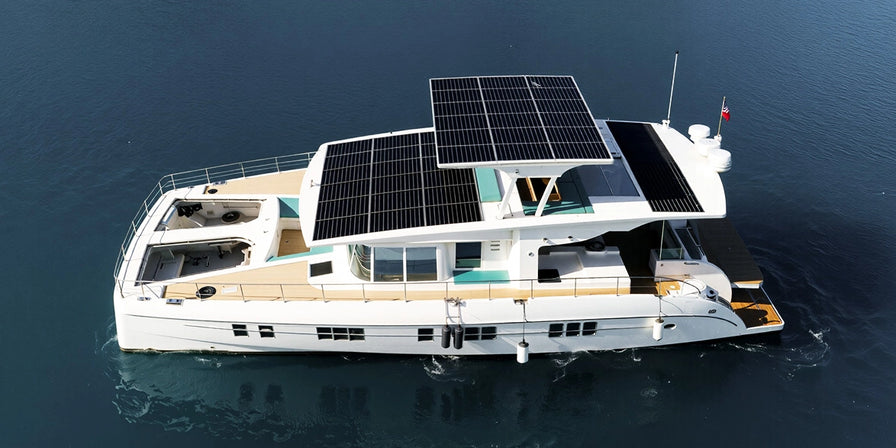
Solar panels are probably the best option for most anglers. Charging trolling motor batteries with solar panels while you're on the lake is a sustainable and convenient way to power your batteries. Here's a simple guide on how to do it:
Choose the right solar panel: Select a solar panel suitable for charging boat batteries and ensure it has sufficient wattage to generate the necessary power for your trolling motor batteries. Flexible and lightweight solar panels are ideal for this purpose.
Attach the solar panel: Place the solar panel on the deck of your boat so that it receives direct sunlight. Secure it firmly so that it does not move while the boat is underway.
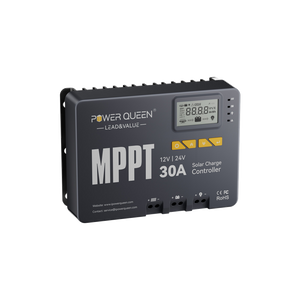
Connect the charge controller to the batteries: Connect the charge controller to the trolling motor's batteries using the appropriate cables and connectors. This allows the solar panel to charge the batteries effectively without the risk of damage from overcharging or incorrect voltage.
Connect the solar panel to a charge controller: Use a charge controller to manage the current flow from the solar panel to the batteries. This device prevents overcharging and regulates the voltage and current to protect the batteries.
Monitor and maintain: Regularly check the connections and charge controller to ensure everything is working properly. Keep the solar panel clean and free of contaminants to maximize its efficiency in harnessing sunlight.
1.2. Using an onboard charger
If your boat is equipped with an onboard battery charger, this is an excellent solution for maintaining your battery system. An onboard charger remains connected to the batteries, preventing the unpleasant surprise of a dead trolling motor battery.
1.3 Investing in a portable marine battery charger
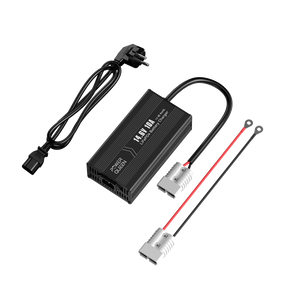
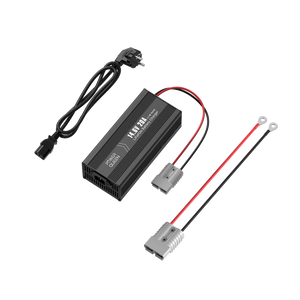
A portable marine battery charger is an indispensable tool for charging Trolling motor batteries On the lake. Make sure you use a charger specifically designed for marine batteries, as these are built to withstand the harsh underwater environment. These chargers are typically compact, lightweight, and equipped with features suitable for boating. When choosing a charger, pay attention to the amperage, versatility, and compatibility with your trolling motor's battery type.
1.4 Implementation of a dual battery system
Consider installing a dual battery system on your boat to ensure a continuous power supply for your trolling motor. With this setup, one battery is used to power the trolling motor, while the other is reserved for charging. When the motor is not in use, the charging battery can recharge the trolling motor's battery. This method allows you to alternate between the batteries, ensuring you always have a fully charged power source available.
1.5 Use a trolling motor generator
Some trolling motors are compatible with alternator systems that generate electricity while the motor is running. This electricity can be used to directly recharge the trolling motor's batteries, providing a convenient and efficient way to keep them charged while out on the lake. Trolling motor generators are designed to integrate seamlessly with the motor's operation, allowing for continuous charging without manual intervention.
1.6 Energy-efficient use of the trolling motor
Managing battery power sparingly is crucial for extending the runtime of trolling motor batteries on the lake. Practice energy-efficient strategies, such as using lower speed settings, maintaining a steady course, and minimizing abrupt speed changes. By being mindful of your power consumption, you can extend the operating time of your trolling motor batteries before needing to recharge them.
Part 2. Upgrading lithium trolling motor batteries for an extra-long service life
Upgrading your trolling motor with lithium batteries can significantly enhance your on-water experience. Below are the key benefits and considerations for converting to lithium trolling motor batteries:
2.1 Advantages of converting to lithium trolling motor batteries
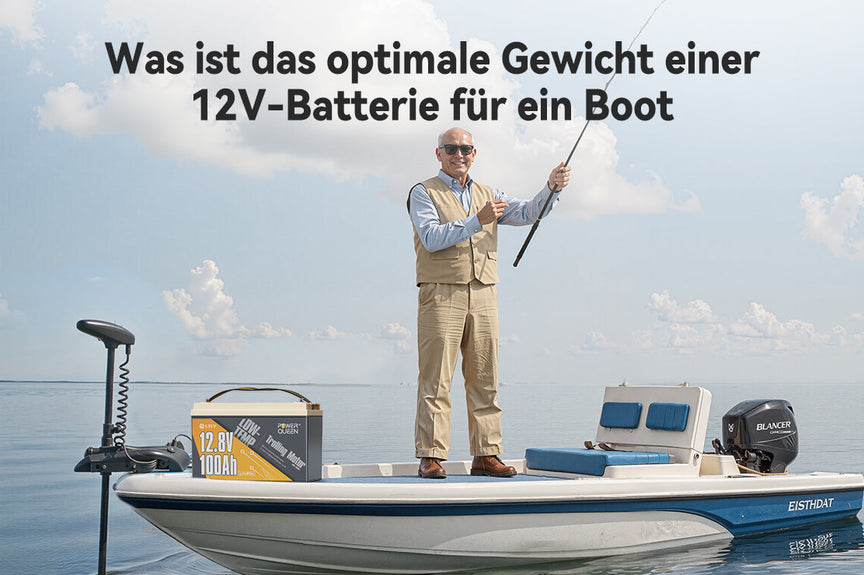
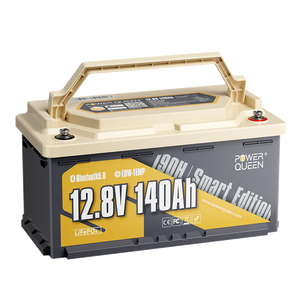
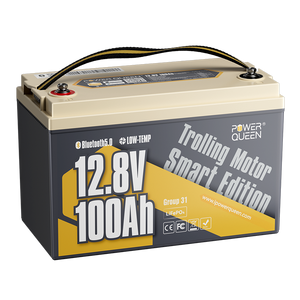
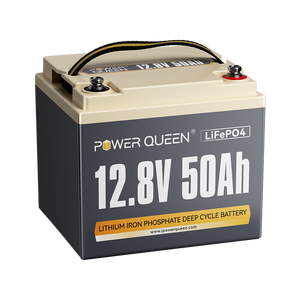
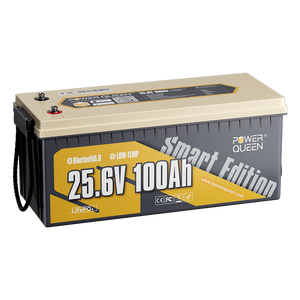
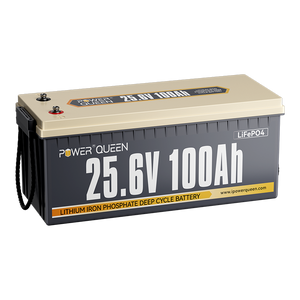
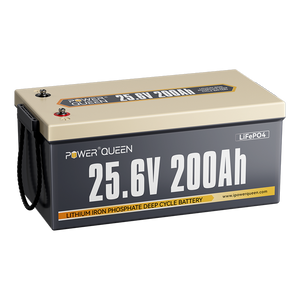
Lightweight: Lithium batteries are generally lighter than conventional lead-acid batteries, reducing the overall weight of your boat and making transport and handling easier. The Power Queen 12V 100Ah Lithium battery For example, it weighs only 22 lbs.

Higher energy density: Lithium batteries offer higher energy density, longer runtimes, and greater efficiency than lead-acid alternatives. This allows you to stay on the water longer without worrying about running out of power.
Faster charging: Lithium batteries generally charge faster than lead-acid batteries, resulting in shorter downtimes between uses and allowing you to get back on the water sooner. For more information on charging trolling motor batteries, see [link/reference]. Charging trolling motor batteries.
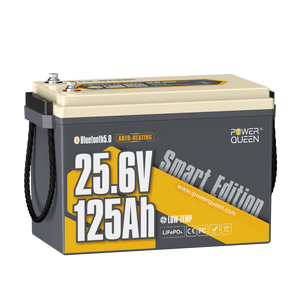
Durability: Lithium batteries have a longer lifespan and can withstand a higher number of charge cycles compared to conventional batteries, thus offering greater long-term value. Power Queen's lithium batteries, for example, have a lifespan of 4,000 to 15,000 cycles, meaning they can remain ready for use for over a decade.
Part 3. Conclusion
In summary, optimizing charging methods for trolling motor batteries on the water is crucial for an uninterrupted and enjoyable fishing experience. Whether you use solar panels, onboard chargers, portable marine battery chargers, or innovative dual-battery setups, there are several efficient strategies to ensure a continuous power supply for your trolling motor.
Furthermore, you can significantly extend your time on the water by implementing energy-efficient practices for your trolling motor and upgrading to lightweight and powerful lithium batteries such as... the Power Queen lithium trolling motor batteries Consider these batteries. They offer longer runtimes, faster charging, and lasting reliability. With these charging solutions and advanced battery options, anglers can enhance their boating experience and maximize their fishing time without worrying about battery depletion.