


A guide to charging electricity in the event of death
Power outages can occur for various reasons, from severe weather and equipment failure to human error. When the power goes out, you can no longer use many essential devices and appliances that rely on electricity, such as lights, refrigerators, computers, phones, and much more. However, you can recharge some of these devices using alternative power sources and methods. In this article, we will present some tips and solutions for recharging during a power outage.

Section 1: Use of emergency power batteries
Using backup batteries is a straightforward way to keep your devices charged during a power outage. You can either use rechargeable batteries that you've previously charged or purchase new batteries specifically for emergencies. Common backup battery types include AA, AAA, C, D, and 9V batteries. To ensure compatibility, make sure you use the correct size and voltage for your device and follow the manufacturer's instructions. You can also use a portable power bank, which can charge multiple devices.
Section 2: Use of solar energy
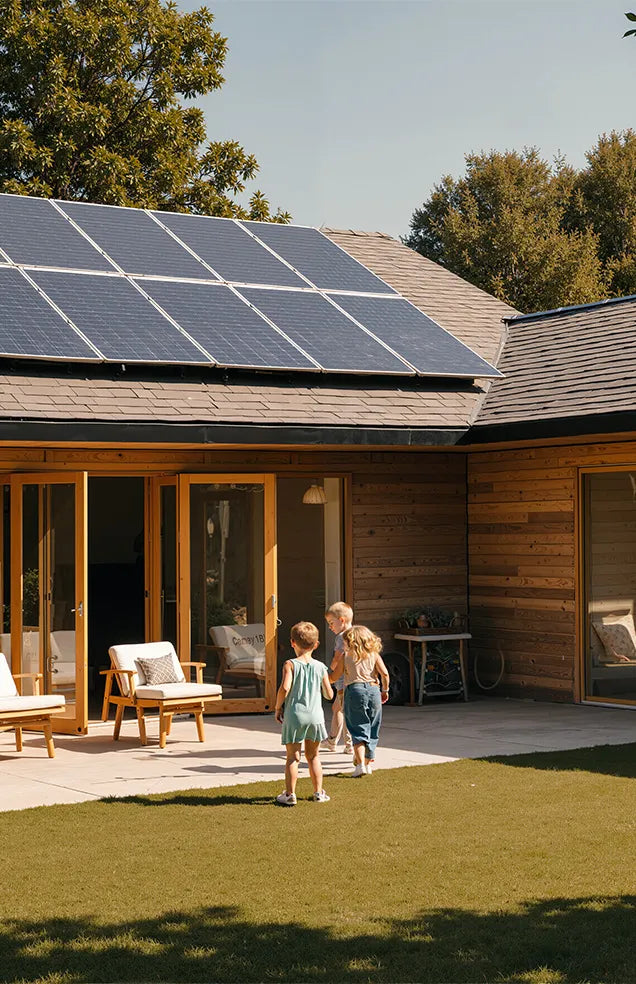
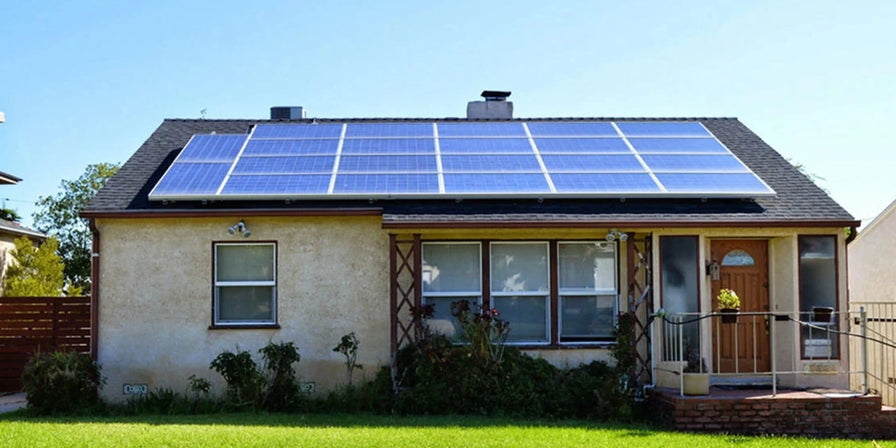
Another alternative energy source that can prove useful during a power outage is solar power. Solar panels are becoming increasingly accessible and affordable, and they can even generate electricity on cloudy days. You can use a solar-powered charger to charge your phone, tablet, or other USB-connected devices. Some solar chargers can also store the energy in a built-in battery for later use. If you have a solar panel system installed at your home, you may be able to power some devices with it, but it's advisable to seek professional help to ensure safety and compatibility.
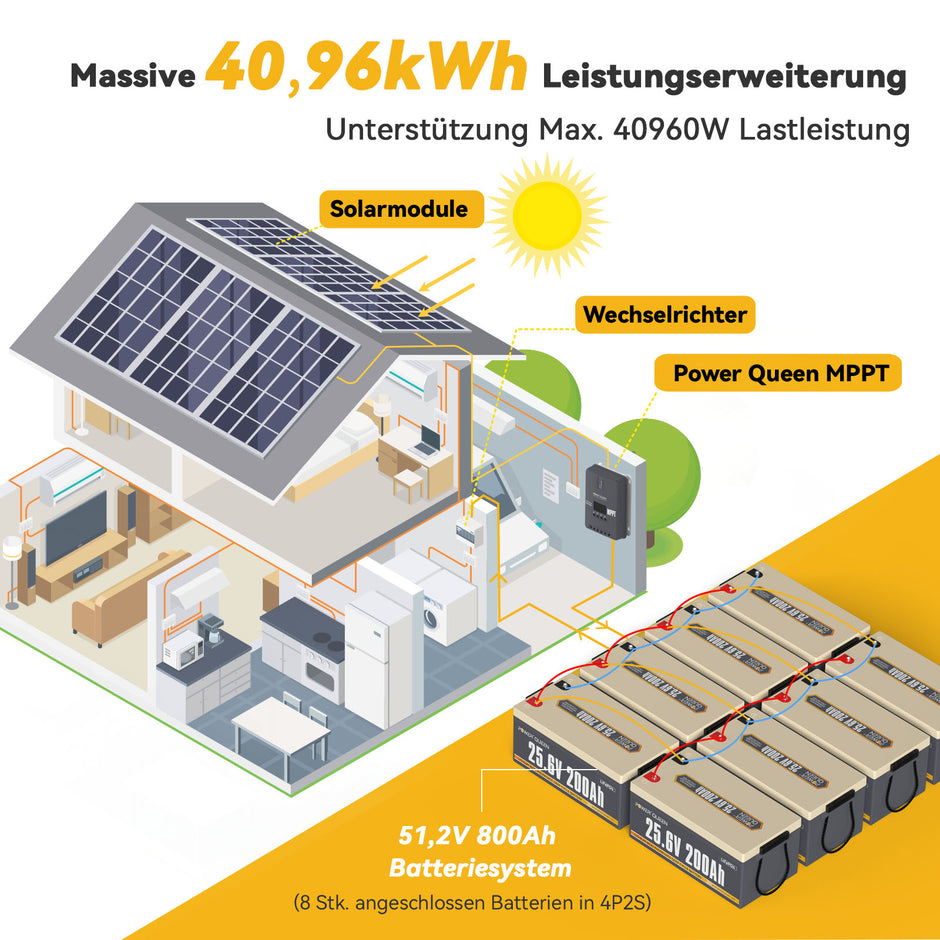
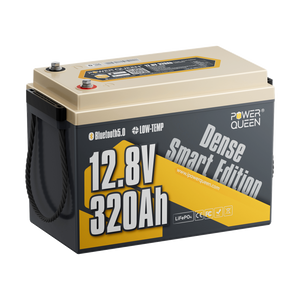
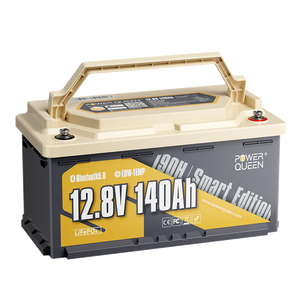
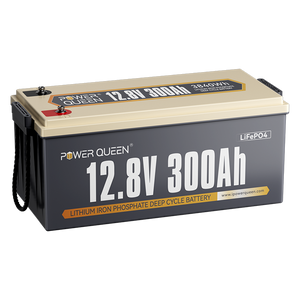
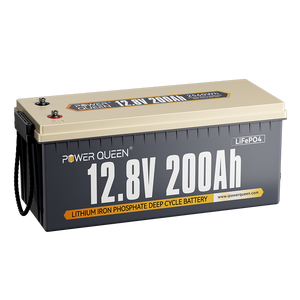
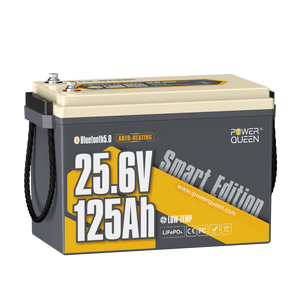
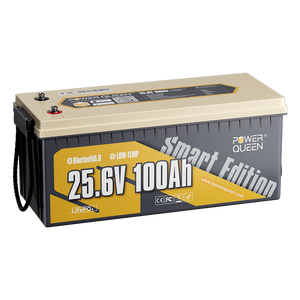
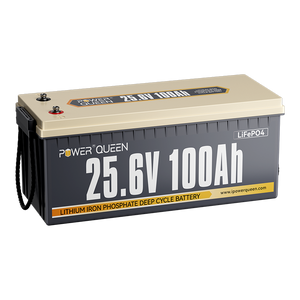
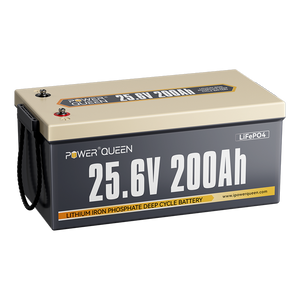
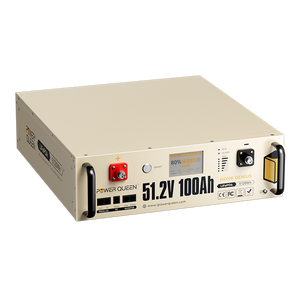
Here's what we recommend: Power Queen 25.6V 200Ah LiFePO4 Battery, Lithium Battery with 200A BMS
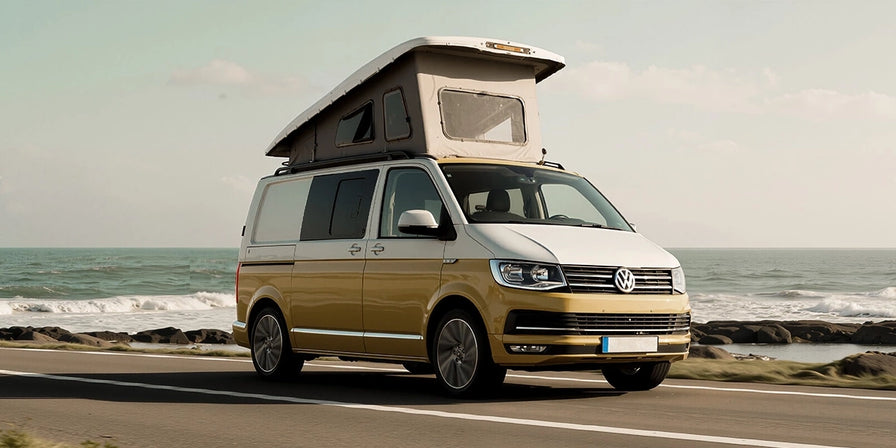
- [2x larger capacity] & Power supply]The Power Queen 25.6V 200Ah LiFePO4 battery offers a substantial energy capacity of 5120Wh compared to a standard 100Ah battery, effectively doubling the usable energy in a single unit. This allows you to enjoy more leisure time in addition to your RV trip. It's also a perfect choice for home energy storage, enabling you to easily install your own solar system without worrying about battery connections.
- [Extended 200A BMS] & Automotive Grade CellsEquipped with a 200A BMS capable of handling a maximum load of 5120W simultaneously, this battery pack protects the LiFePO4 battery from the most common causes of battery failure, such as overcharging, over-discharging, overcurrent, and short circuits. We utilize high-energy-density LiFePO4 automotive cells in our battery pack, ensuring a powerful configuration and comprehensive battery protection.
- [to save space and last longer]The Power Queen 25.6V 200Ah battery offers the same capacity as four 12V 100Ah batteries connected in a 2P2S configuration, but with almost 40% less space, a smaller footprint, and is easy to move for RVs, camping, and off-grid applications. With 5120Wh of usable energy, you can enjoy almost five days of off-grid living based on an average daily consumption of 1kWh.
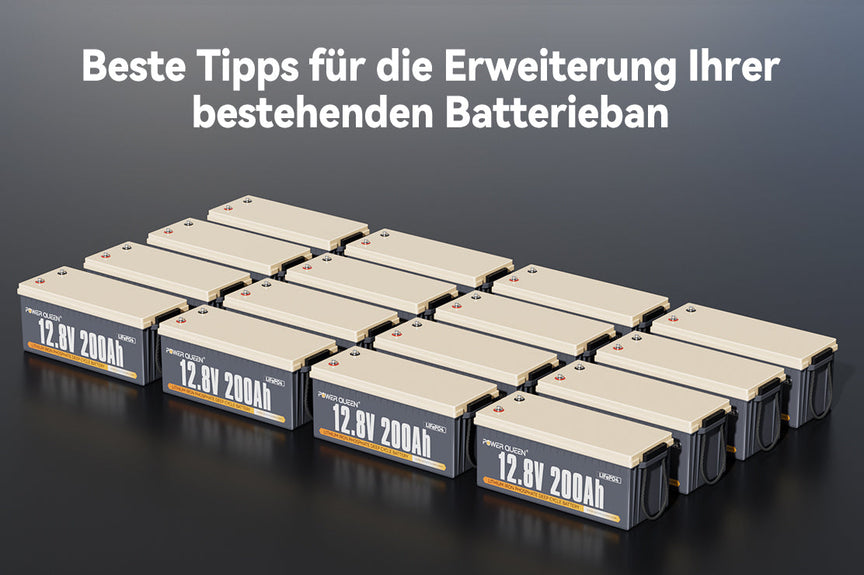
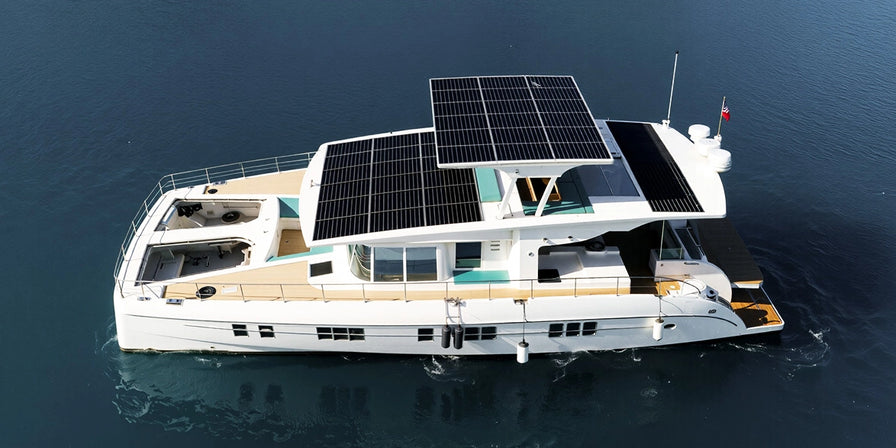
- [Max. 40960Wh capacity expansion]The Power Queen 25.6V 200Ah lithium battery supports up to 2 in series and 4 in parallel (Max 2S4P) to create a 51.2V 800Ah battery system.Lithium ion battery with 40960Wh energy could be widely used for solar houses, emergency power systems, security or surveillance systems, self-sufficient applications and caravans, campers, as well as sailboat energy storage.
- [5 year warranty] & 24-hour timely service]Power Queen offers a 5-year warranty on its 25.6V 200Ah LiFePO4 batteries. We strive to provide you with the safest batteries and the most professional service for every customer. If you have any questions, please contact us directly. We offer secure and robust packaging, and the lithium battery is shipped from our warehouse in Germany. Fast delivery takes 3-7 business days within the EU.
- [For energy storage batteries]Power Queen LiFePO4 batteries are designed more as energy storage than as starting batteries. We do not recommend using them as starting batteries, such as golf cart batteries. For operating a trolling motor, the 25.6V 200Ah lithium battery is recommended for a thrust of 70lb to 100lb.
Section 3: Use of car batteries
If your car is still functional during a power outage, you can use its battery to charge your devices. For this, you'll need a car charger that converts the direct current (DC) from the car battery into alternating current (AC) or USB power compatible with your devices. Alternatively, you can get a portable jump starter, a device that not only jump-starts your car but also charges your devices and provides emergency lighting.
Section 4: Preparing for power outages in advance
While power outages are unpredictable, you can prepare by stocking up on backup batteries, solar chargers, car chargers, and other essential supplies. It's also wise to create a plan for communicating with family and friends, finding warm or cool shelter, safely storing food, and sharing information about the situation. Your local energy provider or disaster management agency can offer advice and resources on how to prepare for power outages in your area.
Section 5: Use of power plants
A power station is a portable device that generates electricity during a power outage. They are similar to portable power banks but are more powerful and can provide electricity for a longer period. Power stations come in various sizes and designs, from compact models that can be carried in a backpack to large ones that can power an entire house. They can be charged via a wall outlet, a car battery, or solar panels. To use the power station, connect your device to a charging port.
Bonus tip to save your phone's battery
Proceed as follows:
- Reduce the brightness of your screen by adjusting the slider in your phone's display settings.
- Activate the low battery consumption mode in your phone's battery settings.
- Close all background applications on your phone.
- Disable WiFi, location services and Bluetooth in your phone's settings.
- Consider using airplane mode to disable all connectivity features, especially when the phone is not in use.
- Do not use your phone to play music, podcasts or games, as this will quickly drain the battery.
- If you are not going to use your phone for several hours, it is best to switch it off completely to conserve battery power in the long run.
Conclusion
Power outages can be inconvenient, but they don't have to mean being completely without power. By using backup batteries, solar power, car batteries, and other alternative power sources and methods, you can charge your devices and stay connected even during a power outage. Remember to prioritize safety, follow the manufacturer's instructions, and prepare for power outages in advance. With these tips and solutions, you can keep your devices charged even during a power outage.